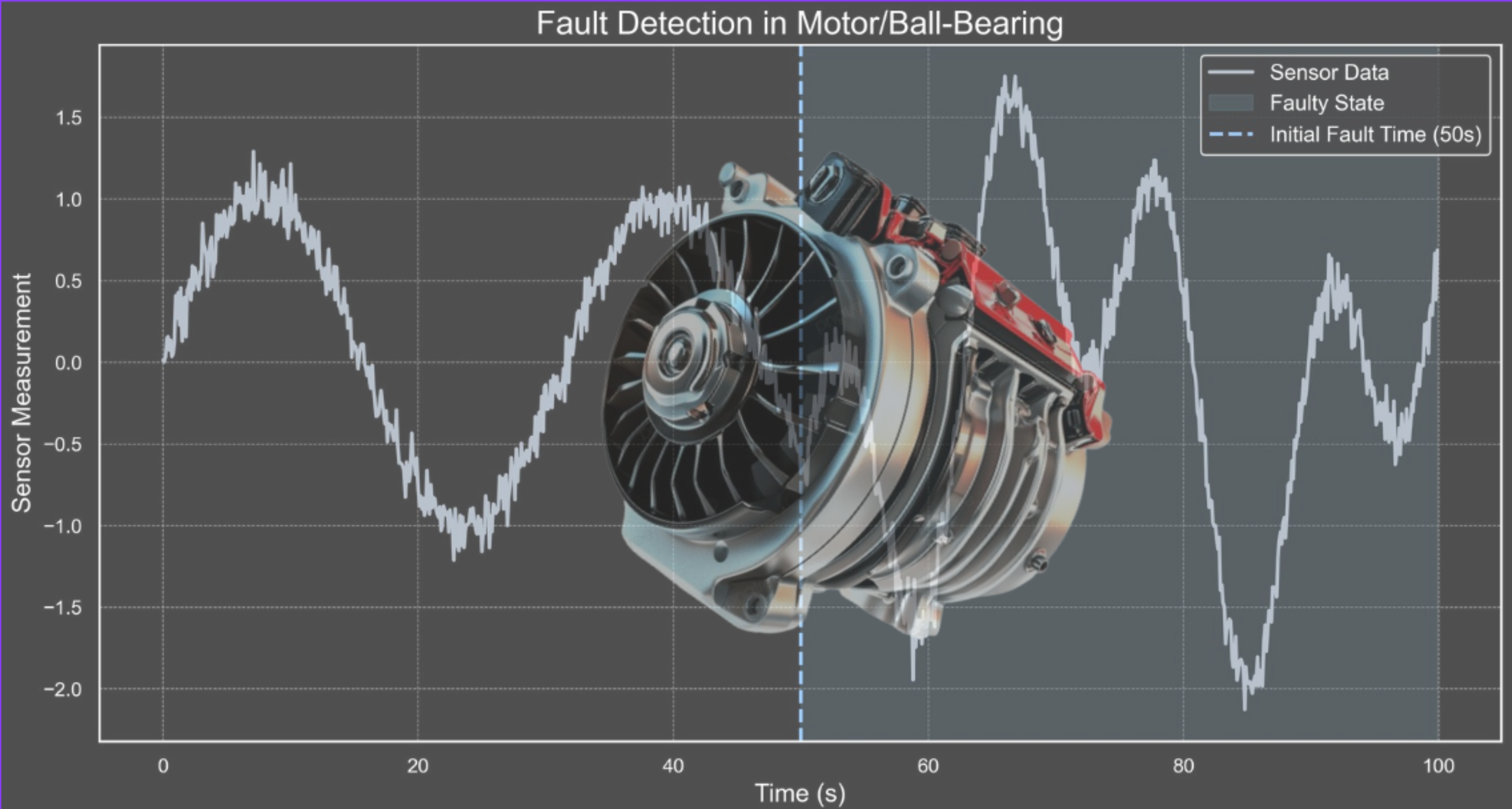
Signal, Image and Video Processing, 2025

AIWARE | Battery and machinery software research
AIWARE develops new software techniques for battery management systems (BMS) and machinery health management, with research published in Q1 international journals, covering battery RUL, SOH, SOC, RDT, machinery RUL, and early fault detection.
Selected research
01 / Machinery
Software methods for fault detection and remaining useful life estimation in rotating equipment.
Signal, Image and Video Processing, 2025
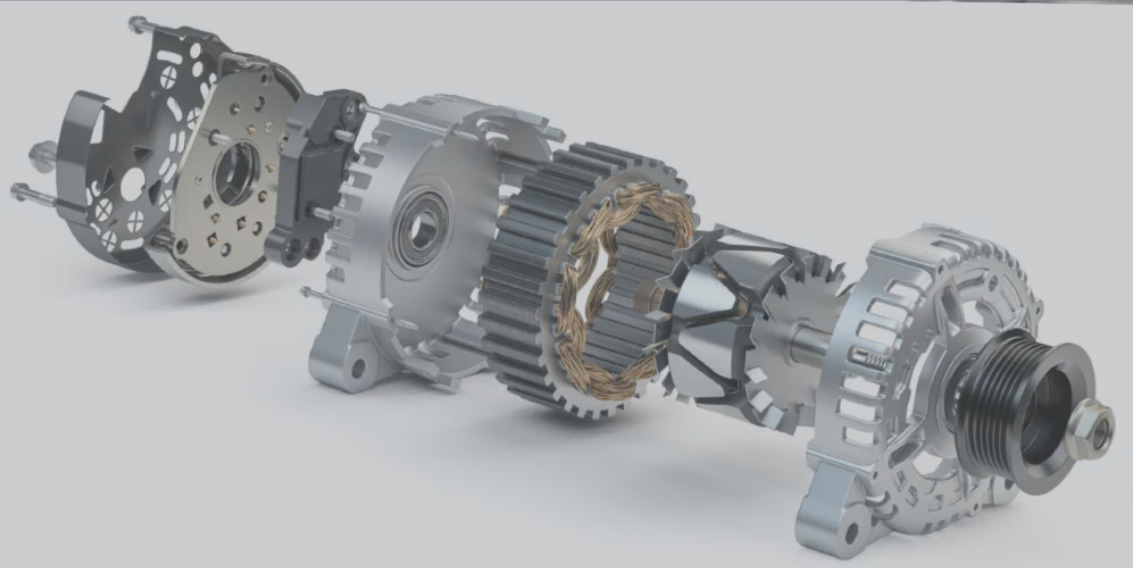
Mathematics, 2024
02 / Battery
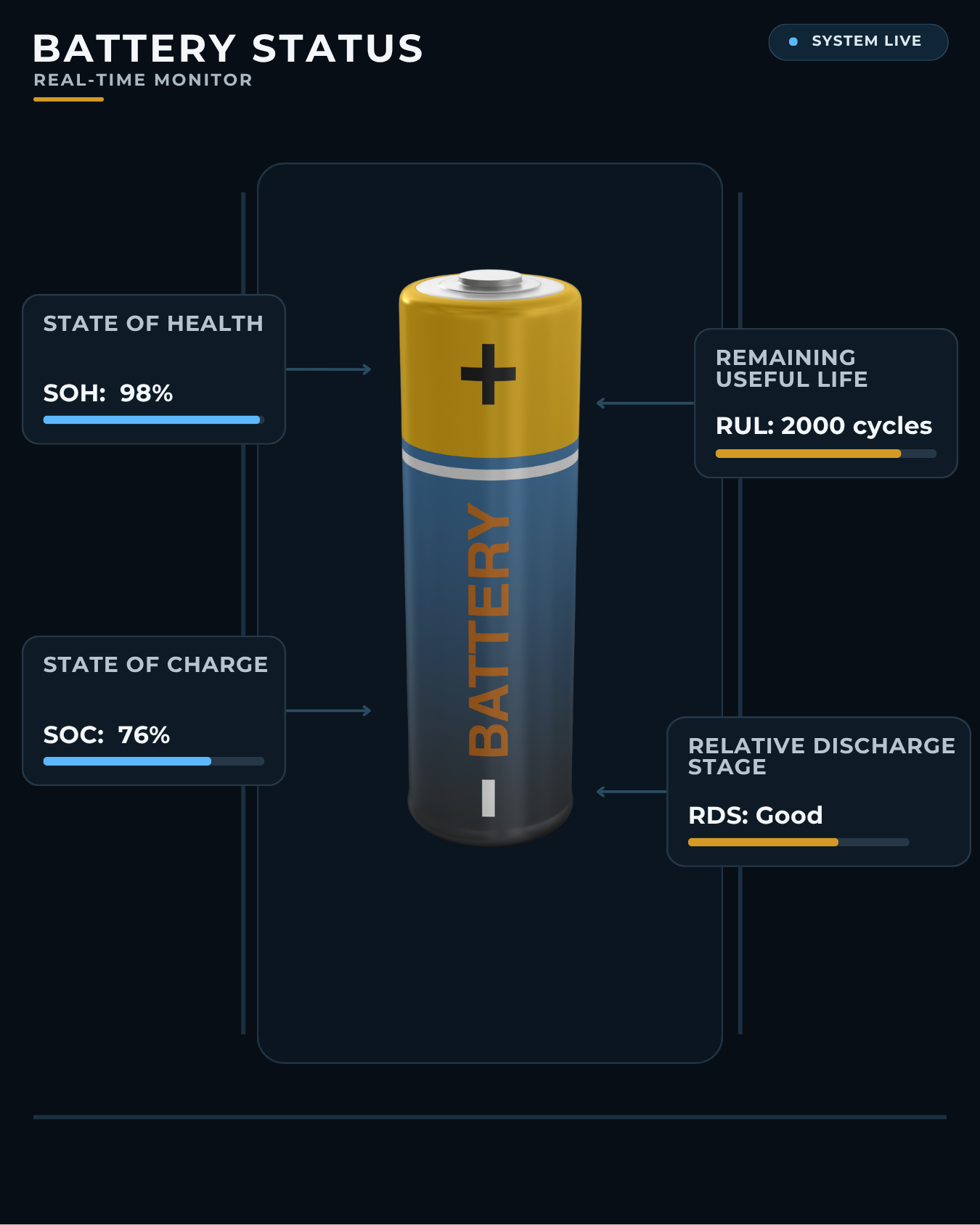
Software techniques for RUL, SOH, SOC, and RDS estimation across lithium-ion systems.
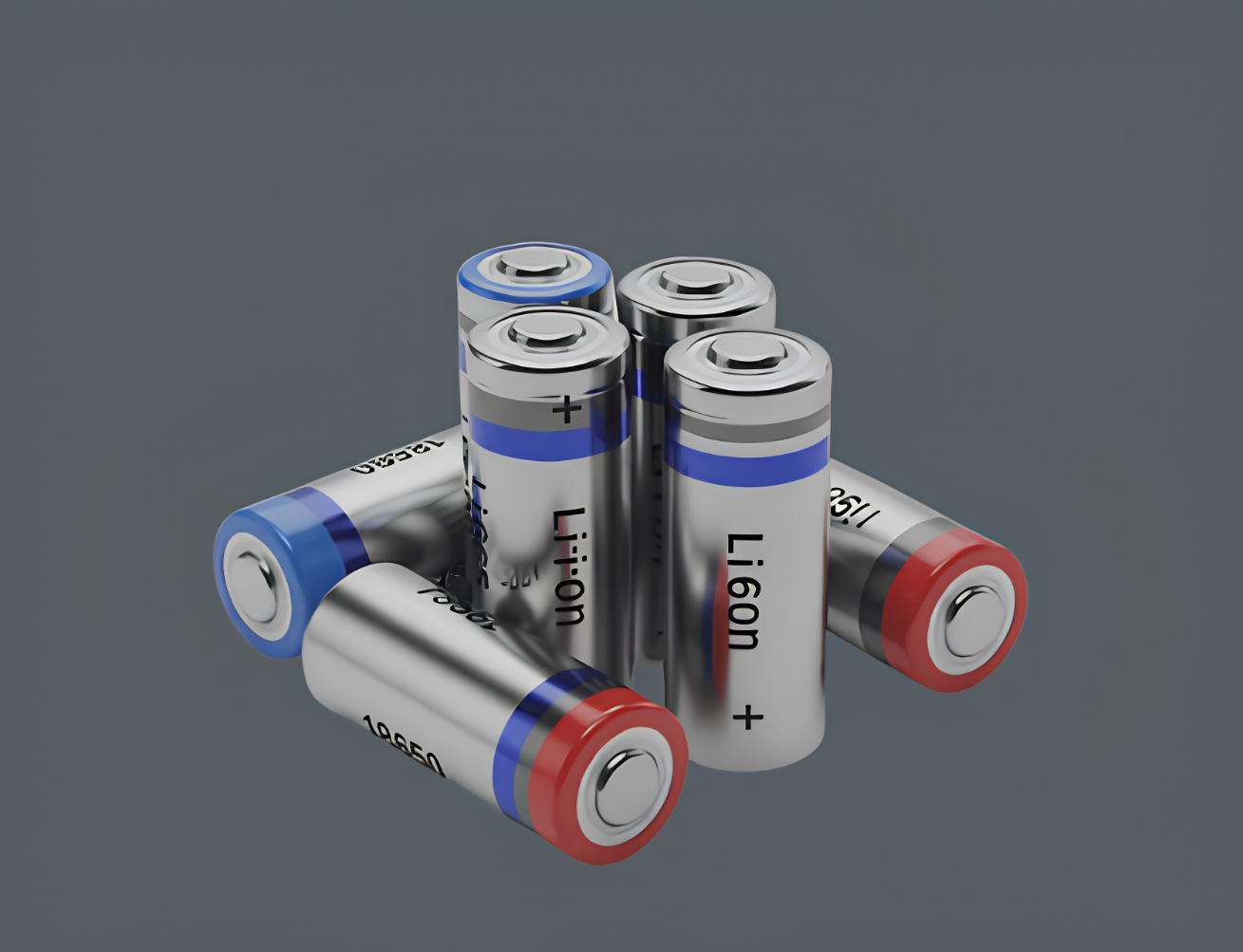

Preprint: arXiv, 2026

Preprint: SSRN, 2026
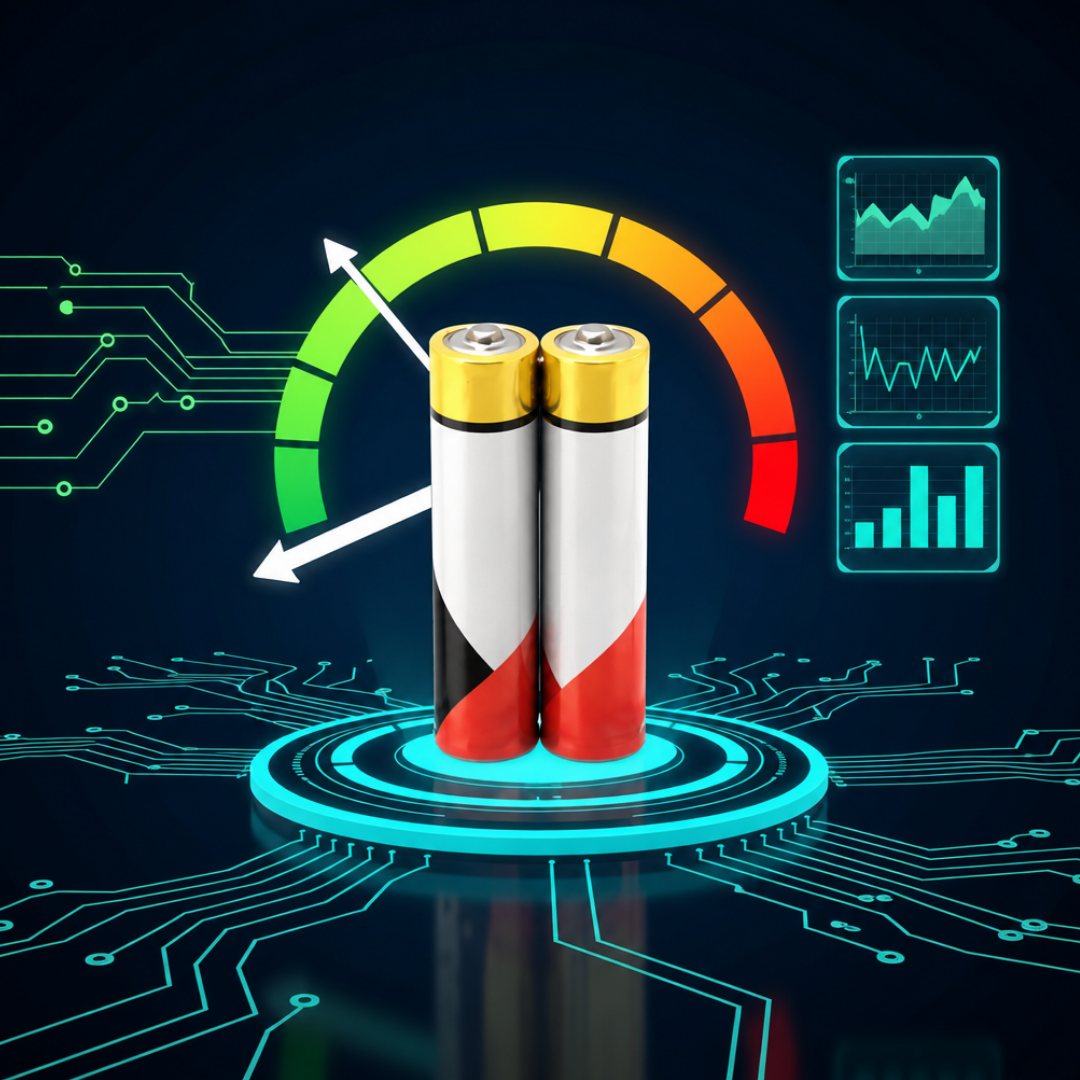
Preprint: arXiv, 2026
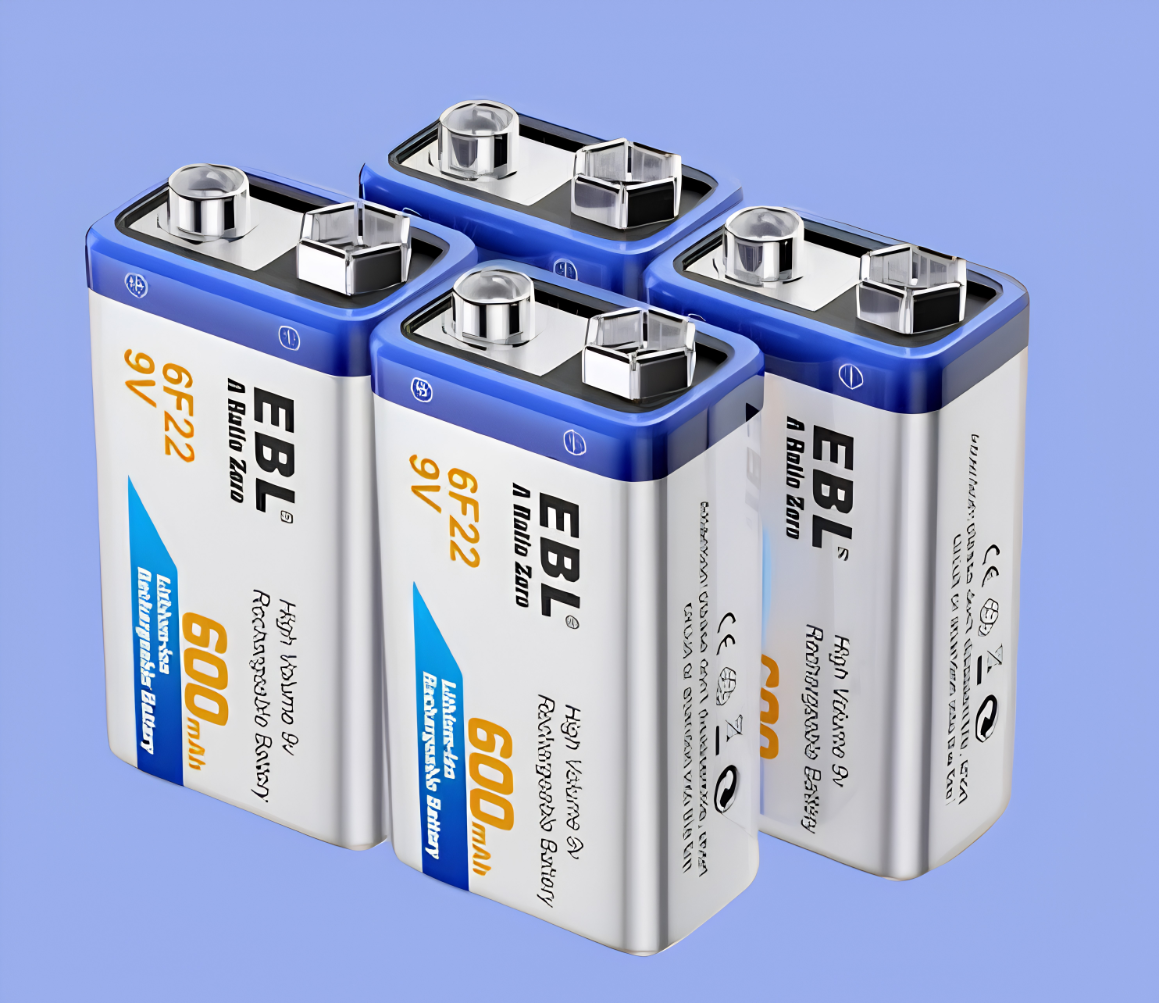
PLOS ONE, 2025

Preprint: arXiv, 2025
About AIWARE
AIWARE began in 2022 with a clear purpose: apply advances in artificial intelligence to help industry identify equipment risks earlier.
We build predictive intelligence around the real operating signals of critical assets. Our work spans machinery health and lithium-ion battery systems, helping teams reduce avoidable downtime, protect equipment, and make safer, more efficient decisions.
What guides us
Make complex equipment behavior visible in the signals teams already collect.
Develop models that remain useful amid noisy data and changing operating conditions.
Partner closely, communicate plainly, and keep every decision tied to outcomes.
AIWARE Team
Applied research and engineering, turning complex signals into reliable insights.

Leadership
CEO
Khoa leads AIWARE's work in predictive intelligence for battery health and machinery reliability.

Leadership
CTO
Tri leads AIWARE's technology development for reliable, data-driven intelligence across industrial assets and battery systems.

Engineering
AI Engineer
Phone applies advanced AI models to battery modeling, helping AIWARE turn complex battery data into reliable predictions.
Collaborators
Specialist researchers who strengthen the rigor of our work.
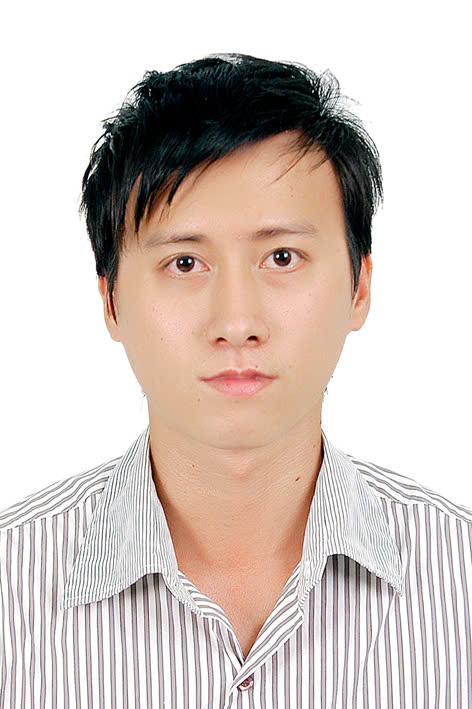
PhD in AI
Hung-Cuong applies AI to bioinformatics and computational biology.
25 publications196 citations
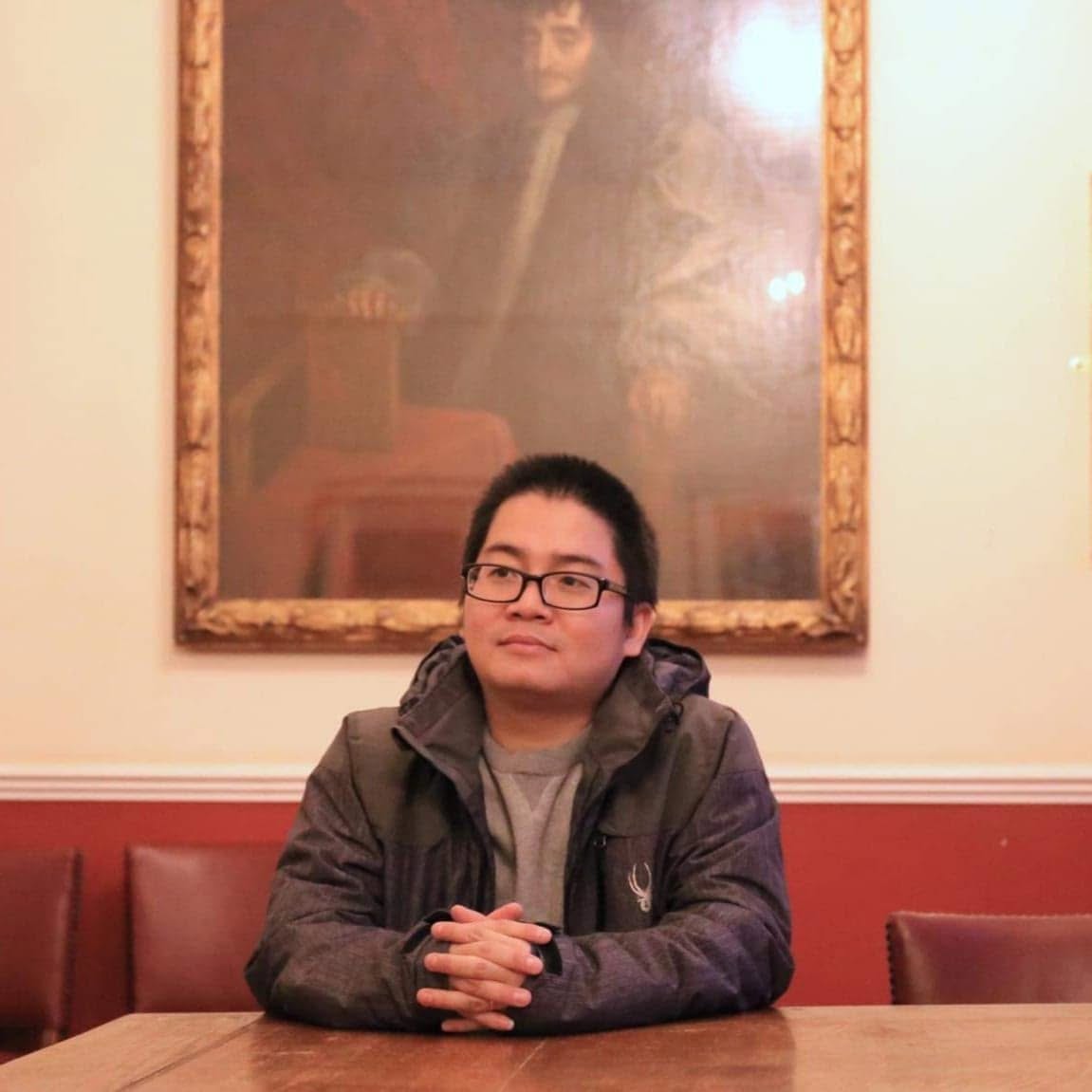
PhD in AI
Lam applies AI to lung-sound and vibration-signal analysis.
86 publications1,602 citations
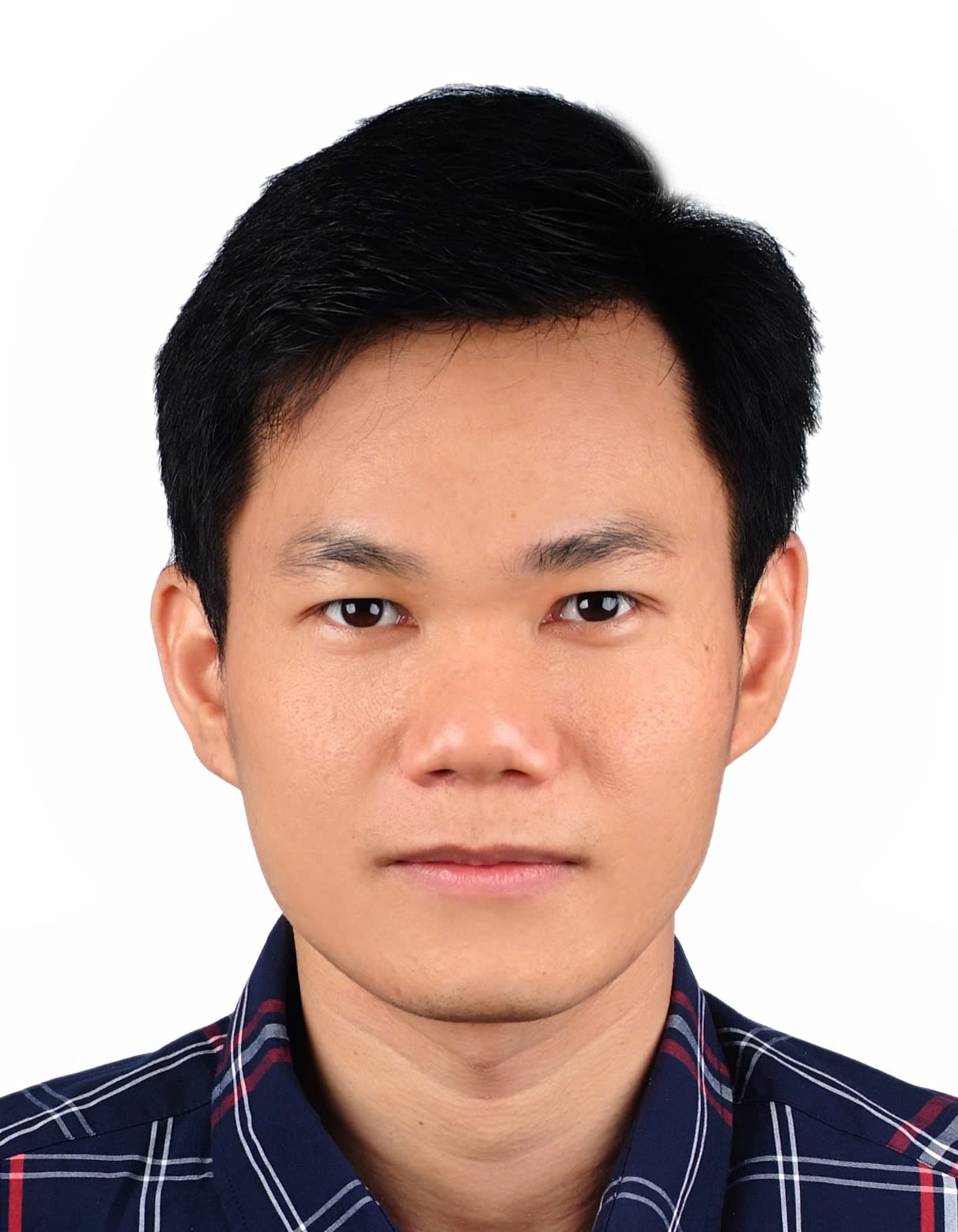
PhD in AI
Quoc Bao applies AI to environmental research and water-resource management.
97 publications2,532 citations

PhD in AI
Duong applies AI to environmental, hydrology, and water-resource research.
133 publications4,455 citations

PhD in Automation
Ho-Si-Hung applies AI to electrical-signal analysis for machine maintenance.
43 publications180 citations

PhD in AI
Hung applies AI to industrial systems and engineering applications.
24 publications131 citations